What Actually Supports Nerve Health, Beyond Any Single Supplement
Blood sugar management, regular exercise, and adequate B-vitamin intake all measurably affect nerve health — often more than any single supplement can.
Understanding the fuller picture helps set realistic expectations for what nutritional support can and cannot do on its own.
Blood sugar management
Chronically elevated blood sugar is one of the most well-documented causes of peripheral nerve damage. Keeping blood sugar in a healthy range is the single most impactful thing people with diabetes or prediabetes can do for long-term nerve health.
Regular exercise
Physical activity supports healthy circulation, which directly affects how well nerves receive oxygen and nutrients. Even moderate, consistent movement is associated with better nerve-related outcomes.
B-vitamin intake
B12, B6 and folate are all essential for healthy nerve function, and deficiencies in any of these are well-documented causes of nerve-related symptoms.
Limiting alcohol intake
Excessive alcohol consumption is a well-established risk factor for peripheral nerve damage, independent of other causes.
Maintaining a healthy weight
Excess weight is associated with increased pressure on nerves and worse circulation, both relevant to nerve comfort.
Where nutritional support realistically fits
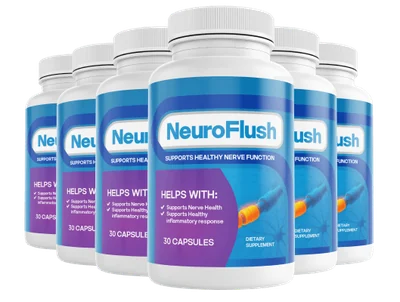
Applying this to NeuroFlush
Formulas like NeuroFlush are designed to supply nutrients relevant to nerve and circulatory wellness, genuinely useful additions layered on top of the habits above, not a shortcut around them.