Why Tingling And Numbness Happen, Explained Plainly
That pins-and-needles sensation, or occasional numbness in the hands and feet, is one of the most common nerve-related experiences people report as they age.
Understanding the actual mechanism helps explain why nerve wellness is a whole-body, ongoing process rather than a single fix.
How nerve signals normally work
Peripheral nerves carry electrical signals between your brain and the rest of your body. This process depends on healthy nerve cell membranes, adequate blood flow delivering oxygen and nutrients, and balanced electrolyte levels including magnesium.
What causes the tingling sensation
Temporary tingling often results from pressure on a nerve, reduced blood flow, or vitamin and mineral imbalances. When a nerve is compressed or under-supplied, it can misfire, producing the characteristic pins-and-needles feeling as normal signaling resumes.
Why this becomes more common with age
Nerve fiber density and blood flow efficiency both naturally decline somewhat with age, and oxidative stress accumulates over time, all of which can make peripheral nerves more susceptible to temporary disruption.
When to see a doctor rather than self-manage
What supports healthy nerve function
Adequate magnesium and B-vitamin intake, healthy circulation, antioxidant protection against oxidative stress, and blood sugar management are all foundational to nerve wellness.
Where nutritional support fits
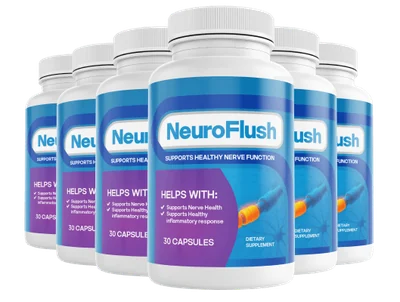
Ingredients associated with nerve fiber support and circulation, like those in NeuroFlush's formula, are designed to complement these foundational habits — not replace medical evaluation for persistent symptoms.